
What does being incomplete look like? To not have a home To not know one’s ‘self’ To identify as something or someone for which no words exist. To exist in hostile systems Not as subjects, but as bodies
Fluid, flawed and frantic.
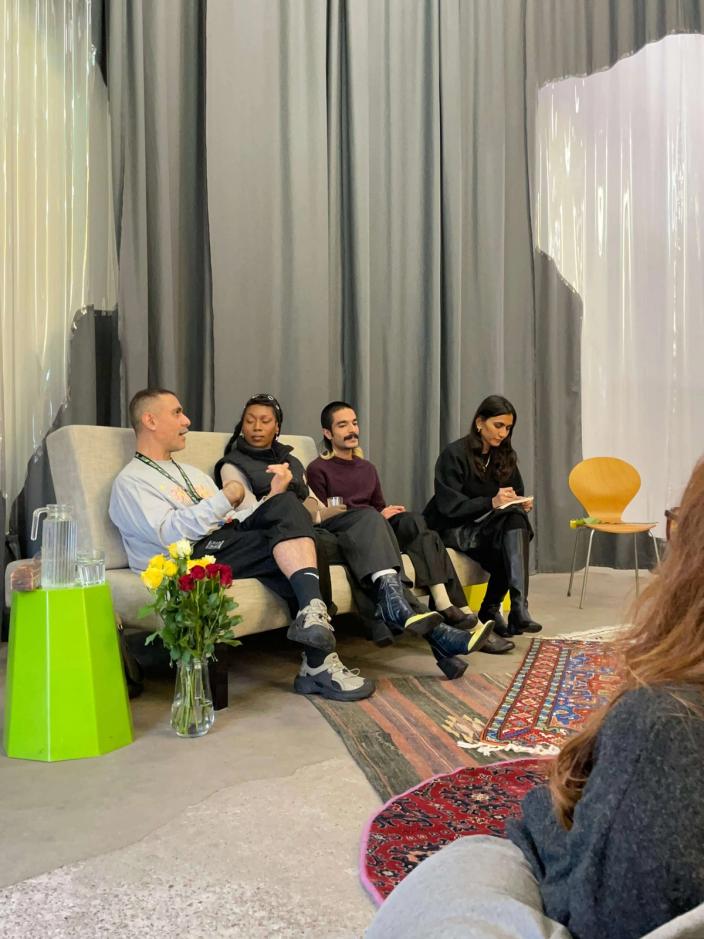
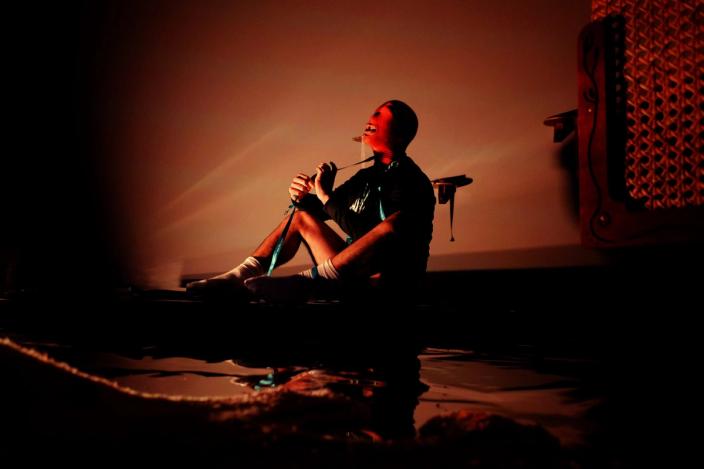
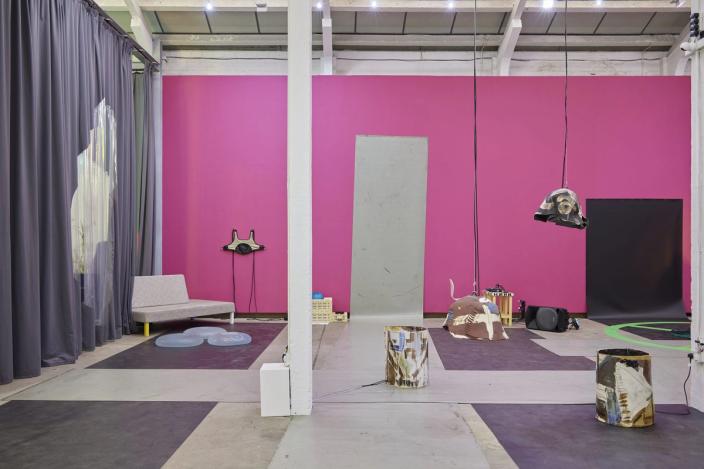
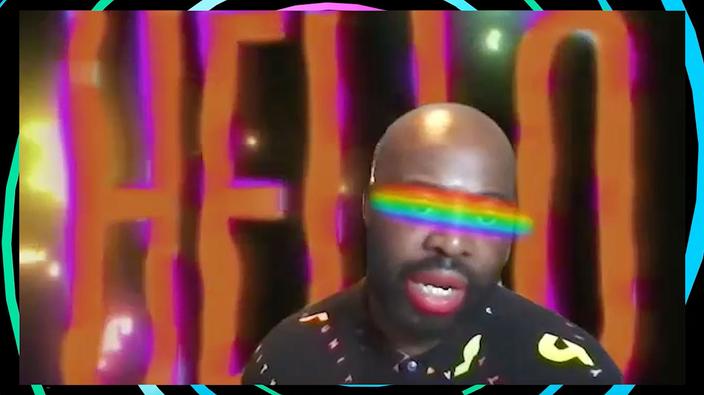
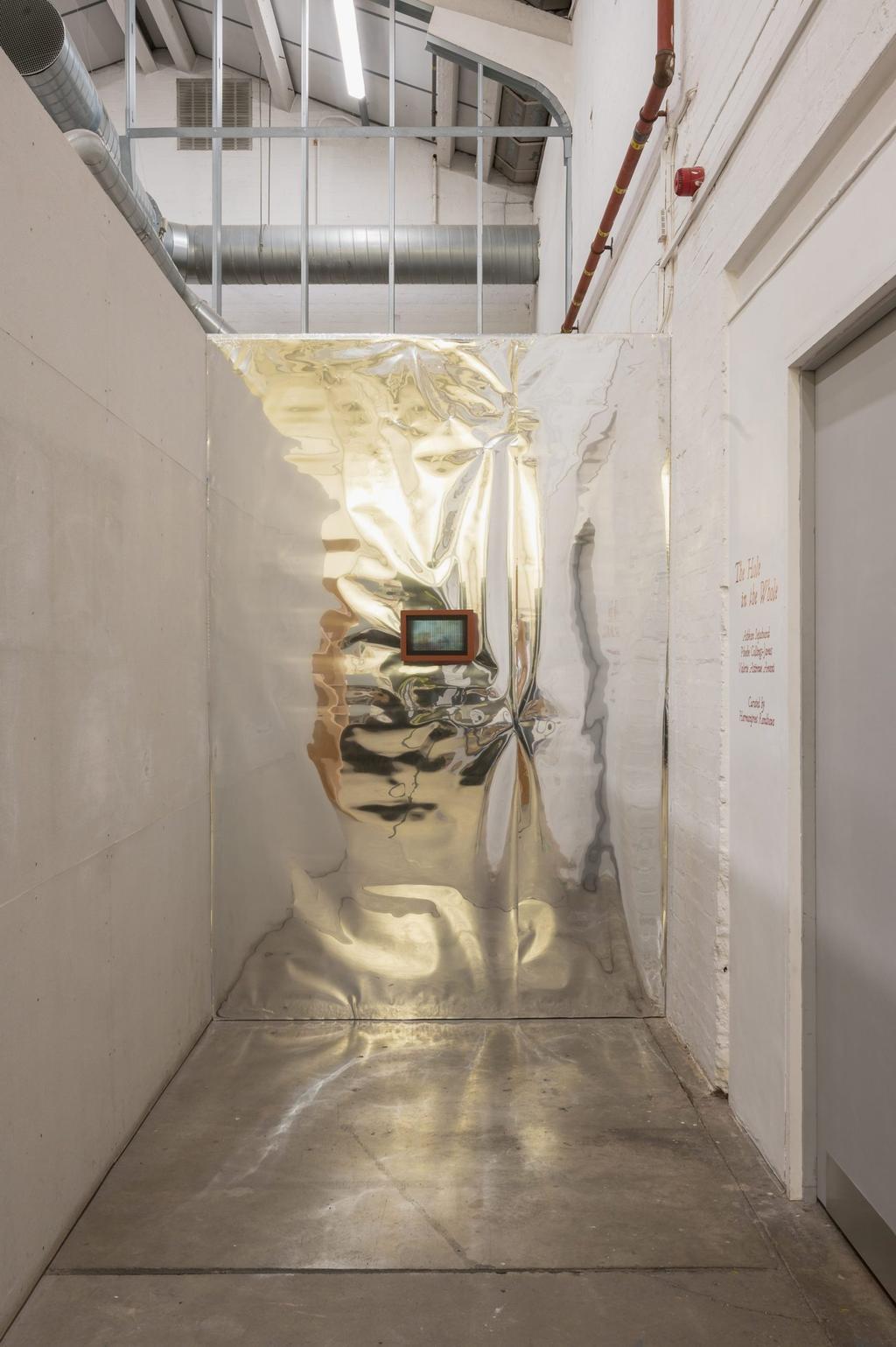
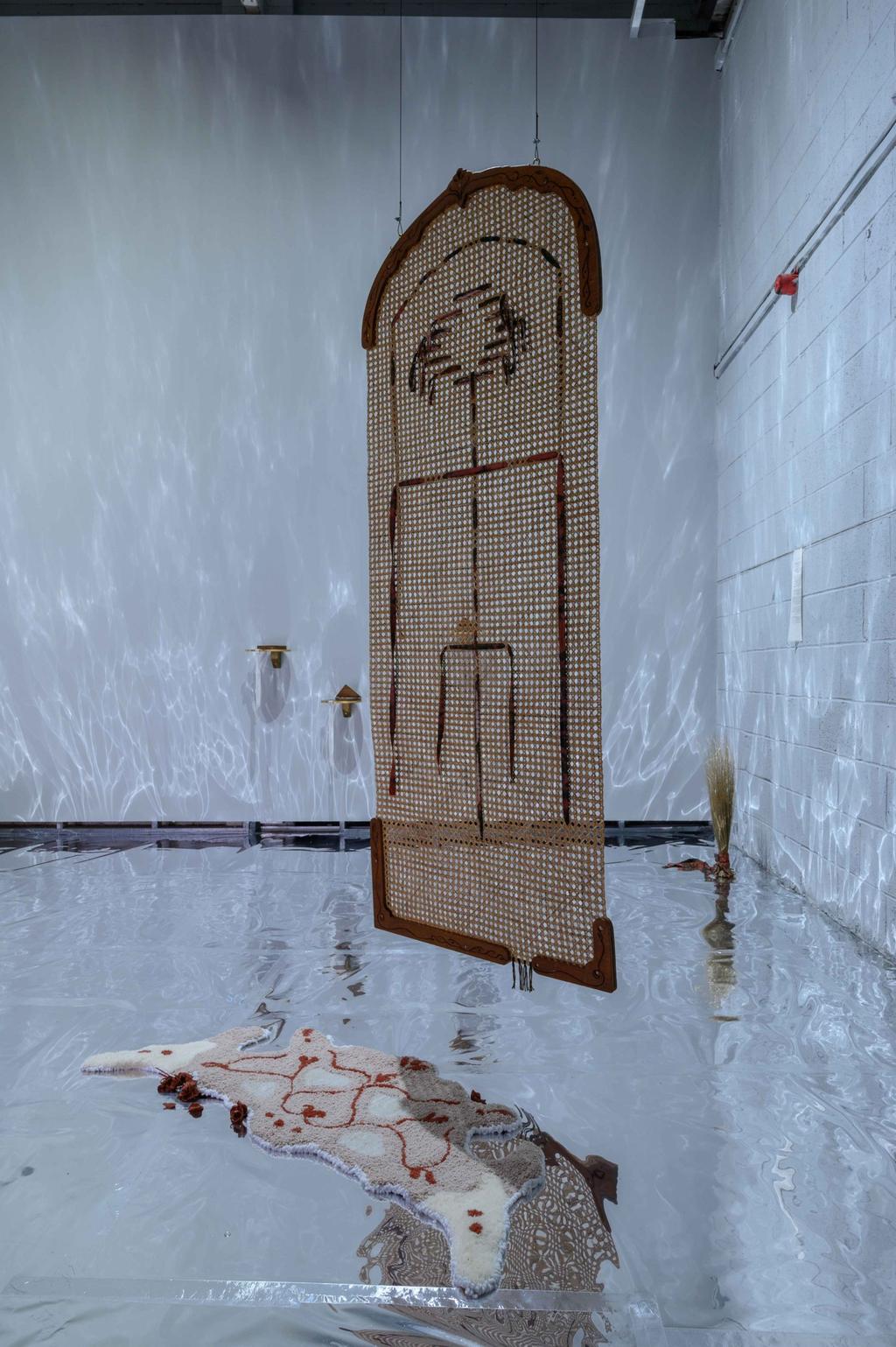
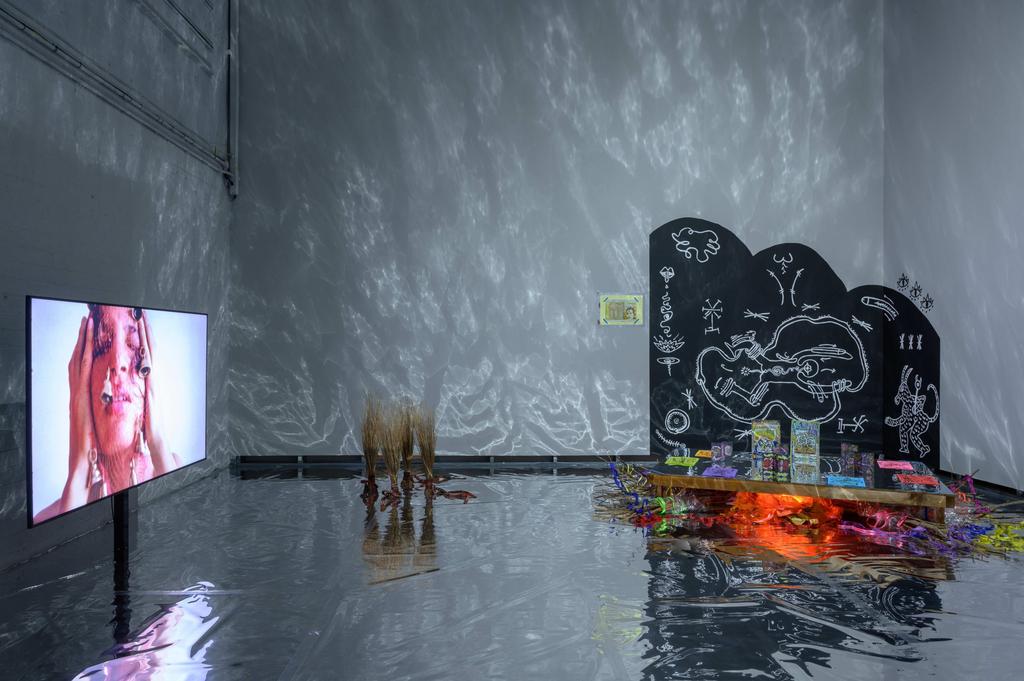
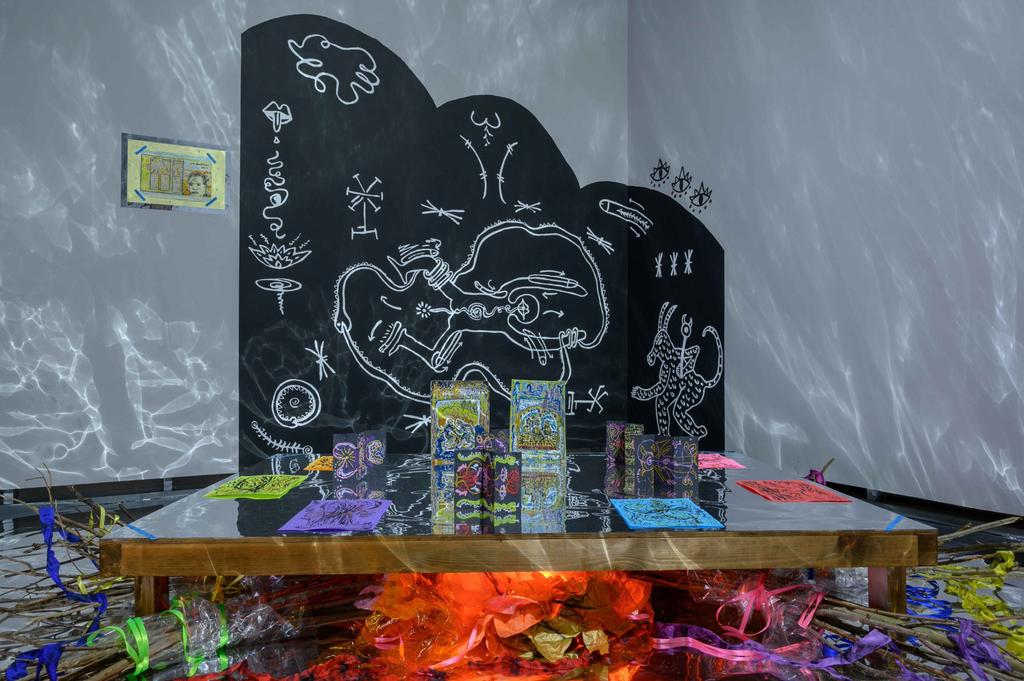
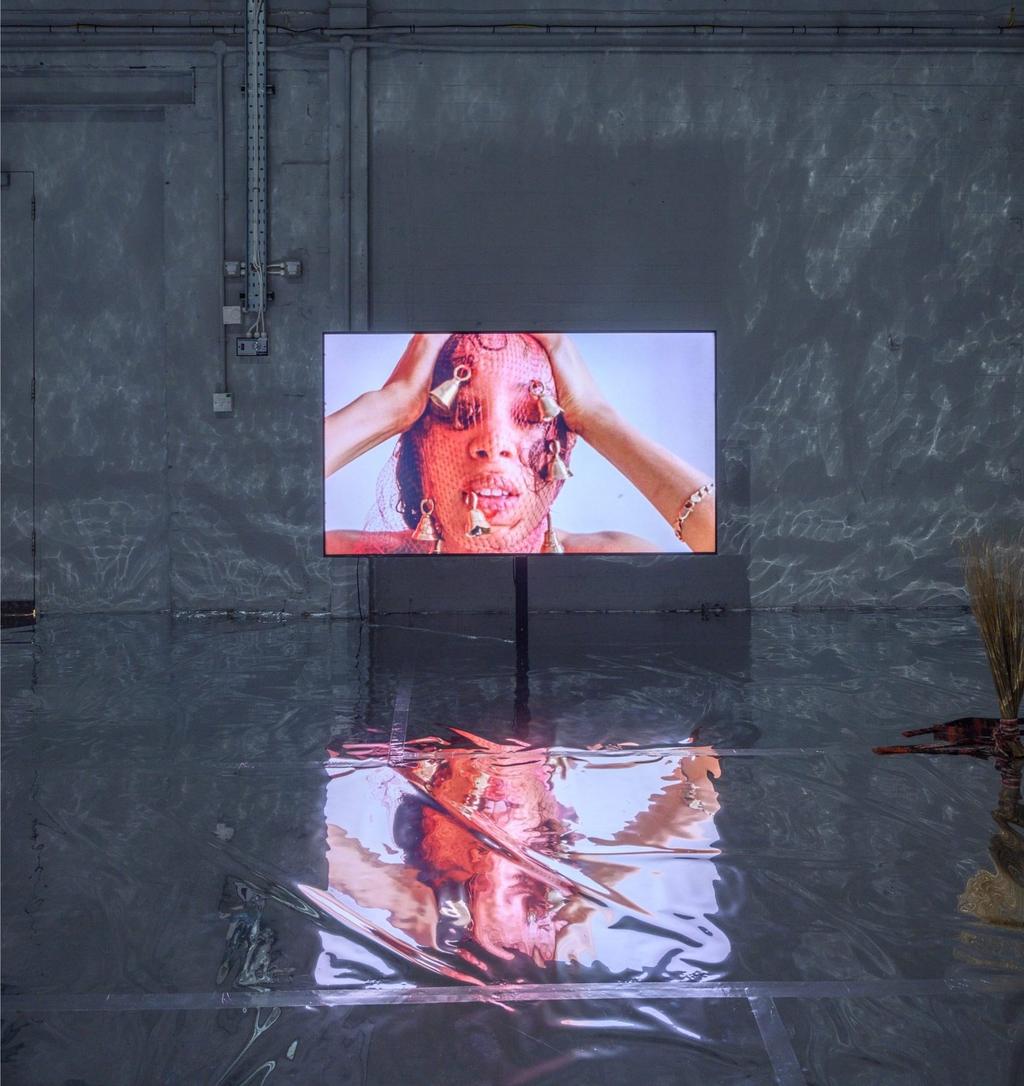
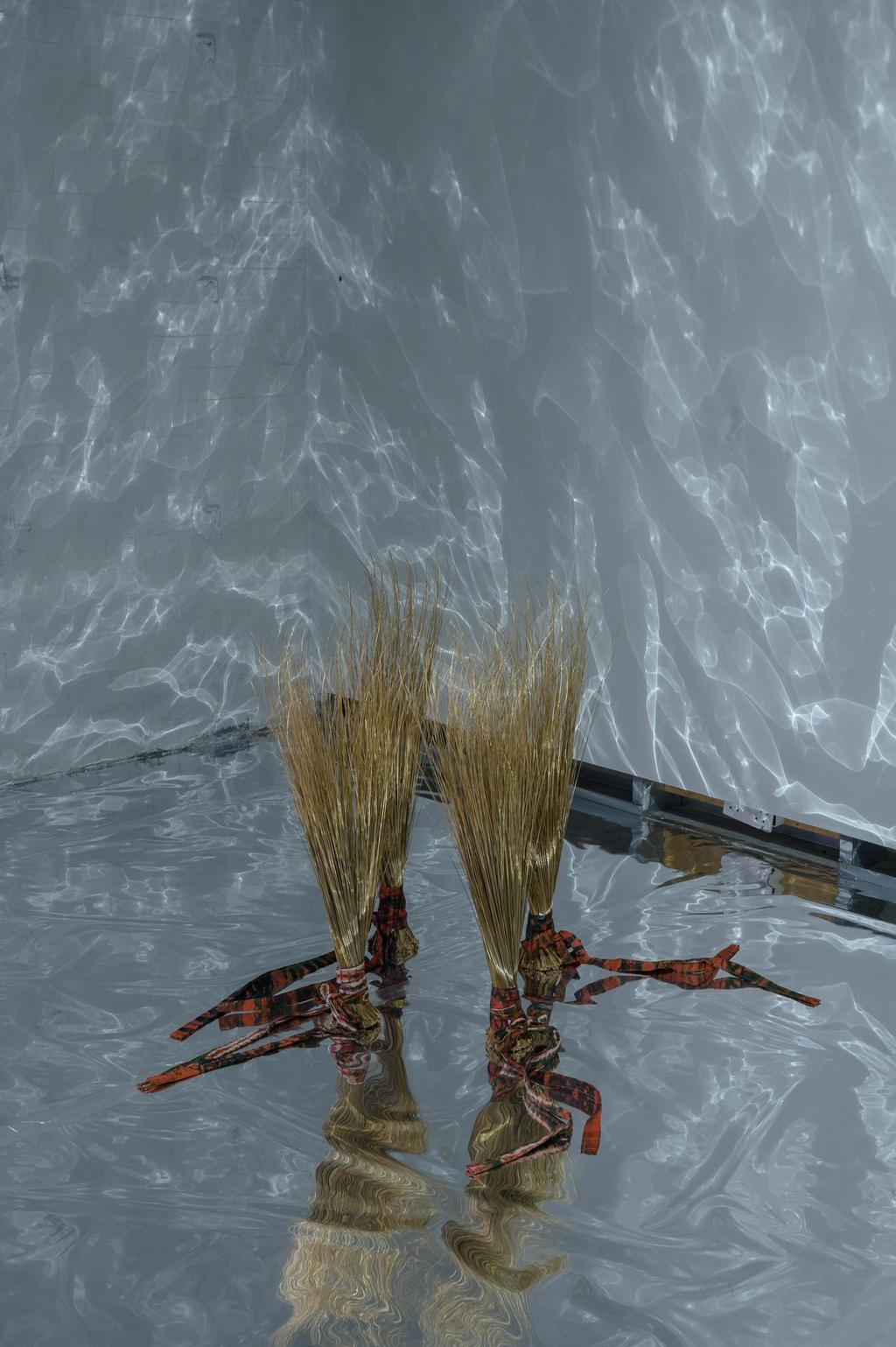
The Hole in the Whole is a wordplay turned poetic framework that delves into the incompleteness and fluidity of existence, proposing that there is always a Hole – a lack, fracture, negation or fissure – in the totalitarian and Euro-centric ways that we have come to know, understand and relate to the world(s) around us. Valerie Asiimwe Amani’s work is both a witness and a portal; observing the structures that shape our realities while inviting audiences to imagine what lies beyond them. Drawing from personal experience, spiritual ecologies and feminist thought, she explores the fluid space between the political, the domestic, and the intimate. Ashkan Sepahvand employs translation and drawing to illustrate how imperial discourses display continuity between religious-legalistic antiquity and scientific-humanitarian modernity. Exploring the entanglements of language, body and western identification models he ultimately asks what if the proclamation I AM GAY is a curse? Phoebe Collings-James’ work eludes linear retellings of stories. Functioning as “emotional detritus”, they speak of knowledges of feelings, the debris of violence, language and desire which are inherent to living and surviving within hostile environments. Curated by Harmanpreet Randhawa, the three person exhibition challenges and discards the universal, bringing forth poetic, sensual and material-oriented practices to reconsider notions of truth, home, culture, desire and the body as always in relation.